


























Almost one in every five pairs of shoes bought online goes back. In a survey of its members, the British Footwear Association found a median return rate of 19% for online sales, against 5% in store.
Much of the gap between those two numbers is the fitting room. In a store, the customer tries the shoe on before paying. Online, the living room is the fitting room and the return label is the way out. You can’t stop people buying online. You can make every shoe fit the way the customer expects, size after size and model after model.
What 10% looks like
Take a brand that sells 100 pairs online and gets 19 back. Say half of those returns are about fit: too small, too big, too narrow, a heel that slips. Remove one fit return in five, and returns fall from 19 to about 17. That is 10% fewer returns, from fit alone.
Each of those pairs costs shipping both ways, handling, and often a markdown when it can’t be sold as new. And a customer whose shoe didn’t fit is slower to buy the brand again.
Where fit returns come from
Fit problems are rarely random. They come from the last, at a few moments in its life:
- Models that don’t agree. A customer who wears a 42 in one of your models expects a 42 in the next. When the new model’s last is a few millimeters shorter, or a width tighter at the ball, they order their usual size and send it back.
- Factories that don’t agree. Two factories working from “the same” last rarely hold the same shape. In French sizing, 5 mm on the ball girth is a whole width fitting.
- The size run. The sample size fits; the 38 and the 46 don’t. Grading errors are small at each step and add up toward the ends of the run.
- Changes nobody measured. A new toe shape, a different heel height, a last built from an old one. The shoe looks right, and the fit moves without anyone deciding it should.
A plan for a first 10%
- Read your returns by model and by size. Return rates per model show where the fit is off. Reason codes that name the problem (too small, too big, too narrow, too wide, heel slip) show which way.
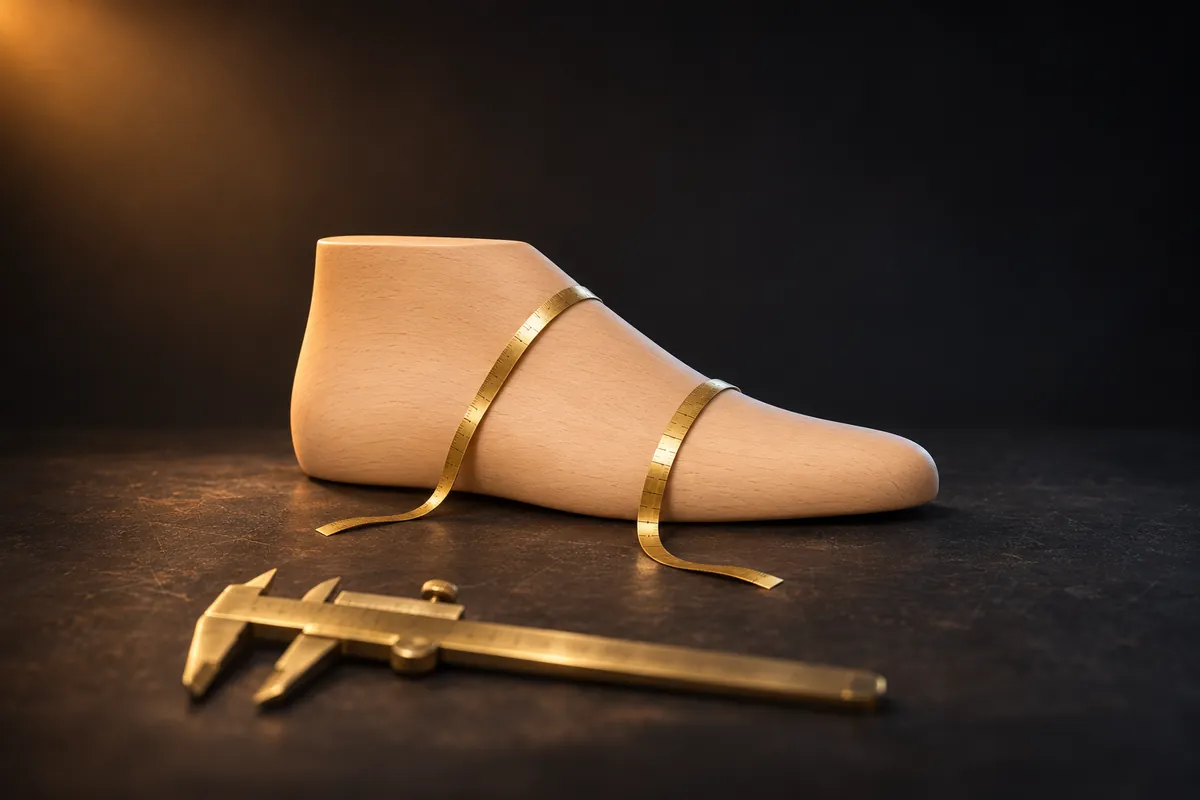
- Turn your best fit into a standard. Take the lasts behind your lowest fit returns and write their measurements down, per size and per shoe type: stick length, ball girth, instep girth, seat width, toe height. That is your house fit, in numbers. Our guide to the ten measurements to know says what each one does.
- Measure every new last against it, before the first sample. A last outside the standard is cheap to fix while it is still a file, and expensive once the complaints come in.
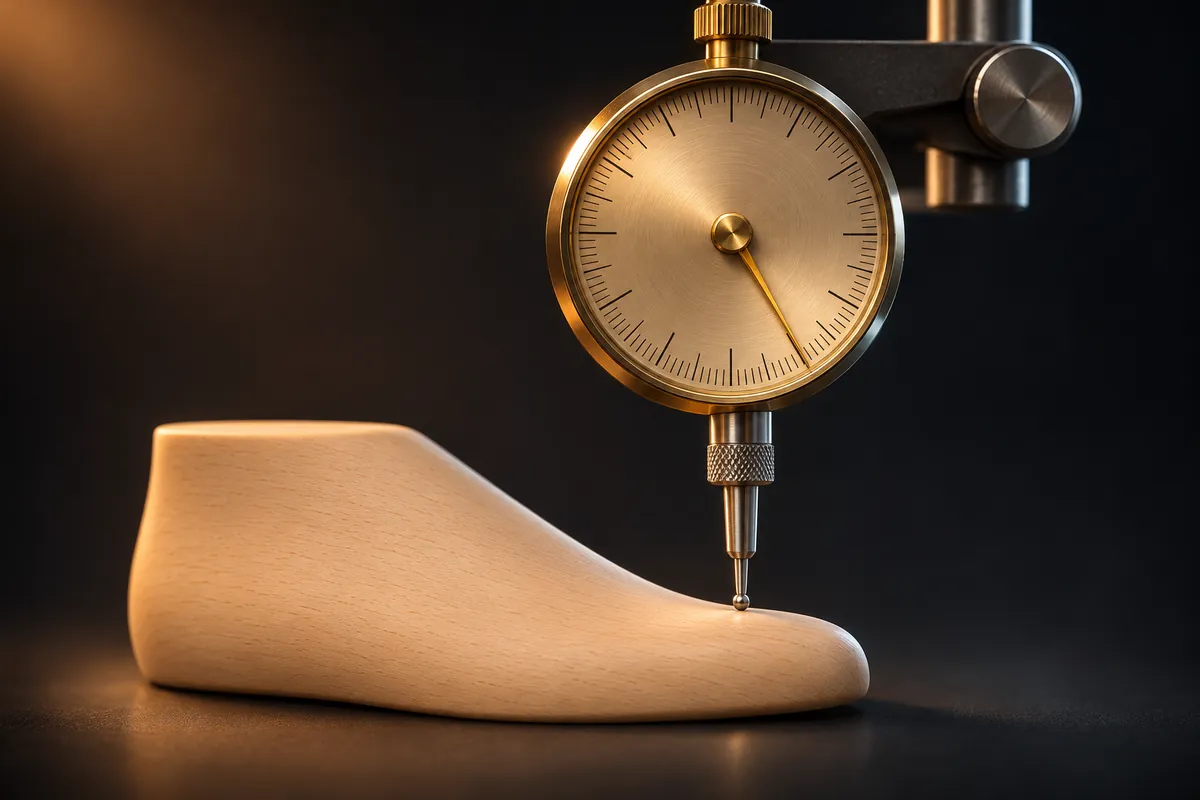
- Check the factory’s last against your master. Compare the two directly, heel to heel, every millimeter of difference on the screen.
- Check the ends of the size run, not just the sample size.
- Close the loop. When a model’s fit returns go up, go back to its last first.
None of this needs a new team. It needs measurements everyone trusts, and the habit of taking them before the shoe is made rather than after it comes back.
Where Last Engineers comes in
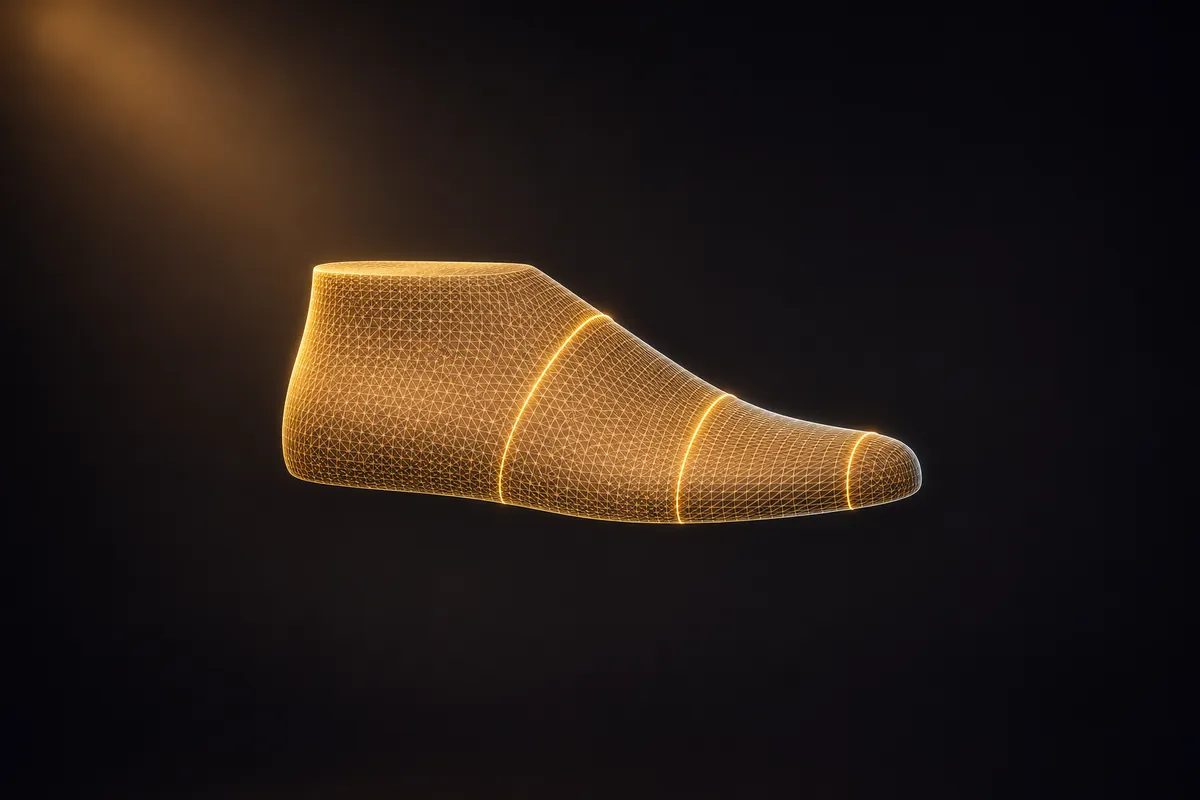
This is the work our platform was built for. It measures every last the same way, 25 measurements and a color map, scores it against your standard, and compares two lasts or two versions down to the millimeter.
Start with one last: we’ll analyze it for free and walk you through what it shows.
Source: British Footwear Association, Footwear Return Rates: How Does Your Business Measure Up?, a survey of its members.